The Numbers Game — July 1, 2024
I am again joining in with the Numbers Game from Judy Dykstra-Brown, this week looking at files with the number 149 in them. But I am going to stretch the limits of the challenge a little, by taking you on a walk to get to those “149” pictures.
To get to this spot in the Hill Country of Texas, we will have to get off the paved county road and drive about 30 minutes on caliche road. Then we will park the truck, and walk for 15 minutes up this dry creek.
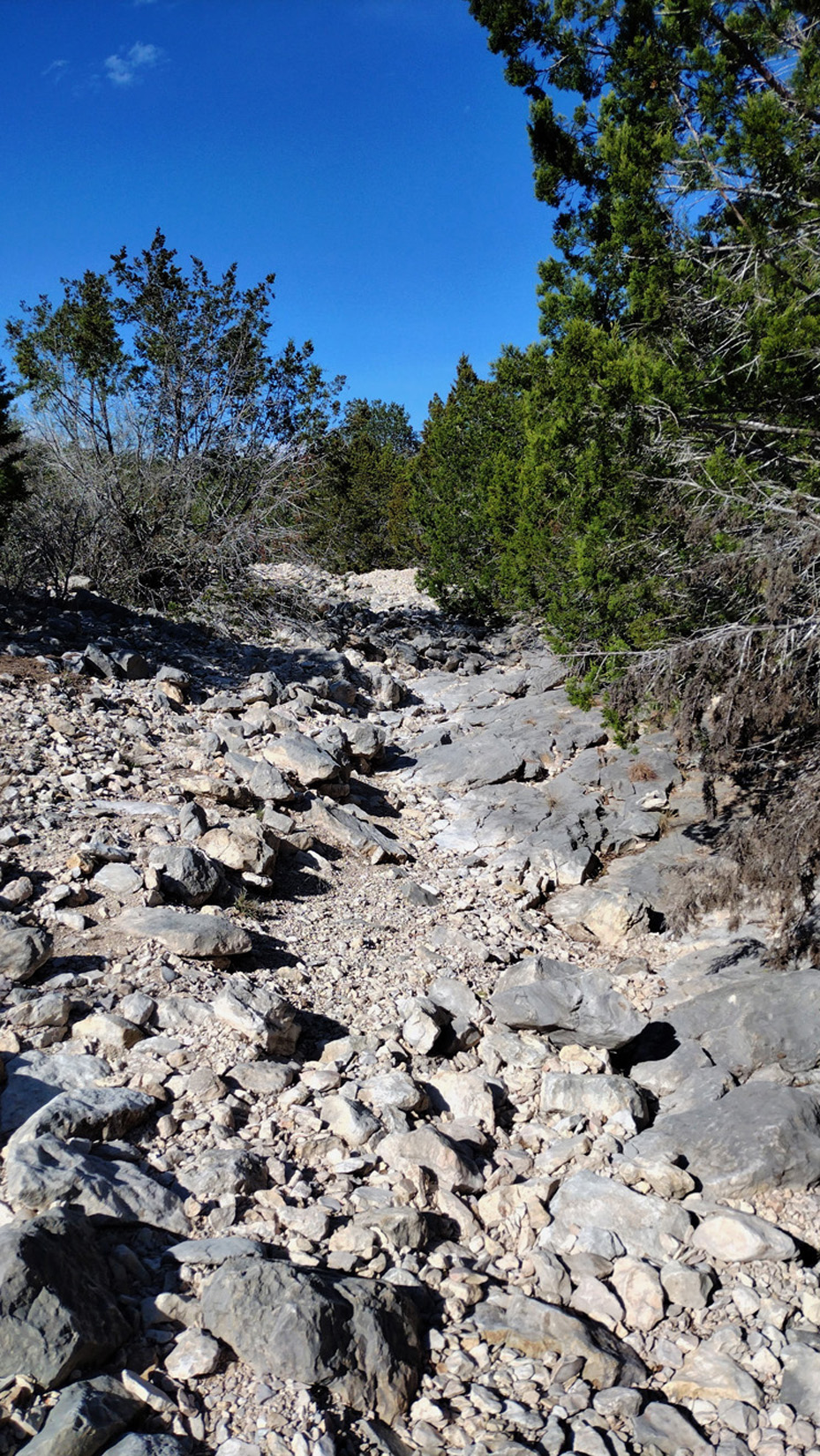
Dry creek bed in the Texas Hill Country.
Watch your footing because the terrain is mostly loose rocks, with occasional patches of slick rock. And sometimes we will spot a fossil!
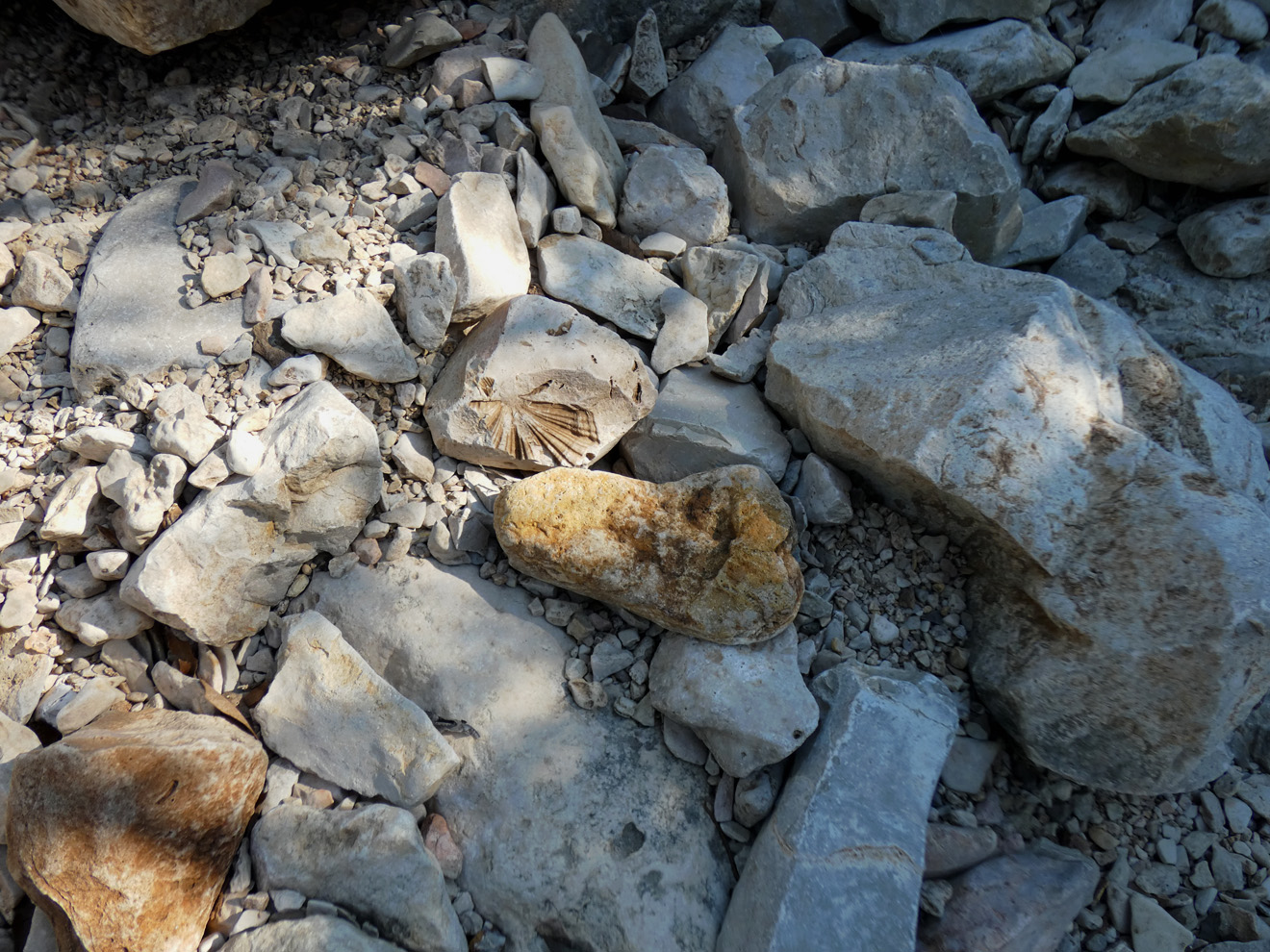
Fossil in the creek bed.
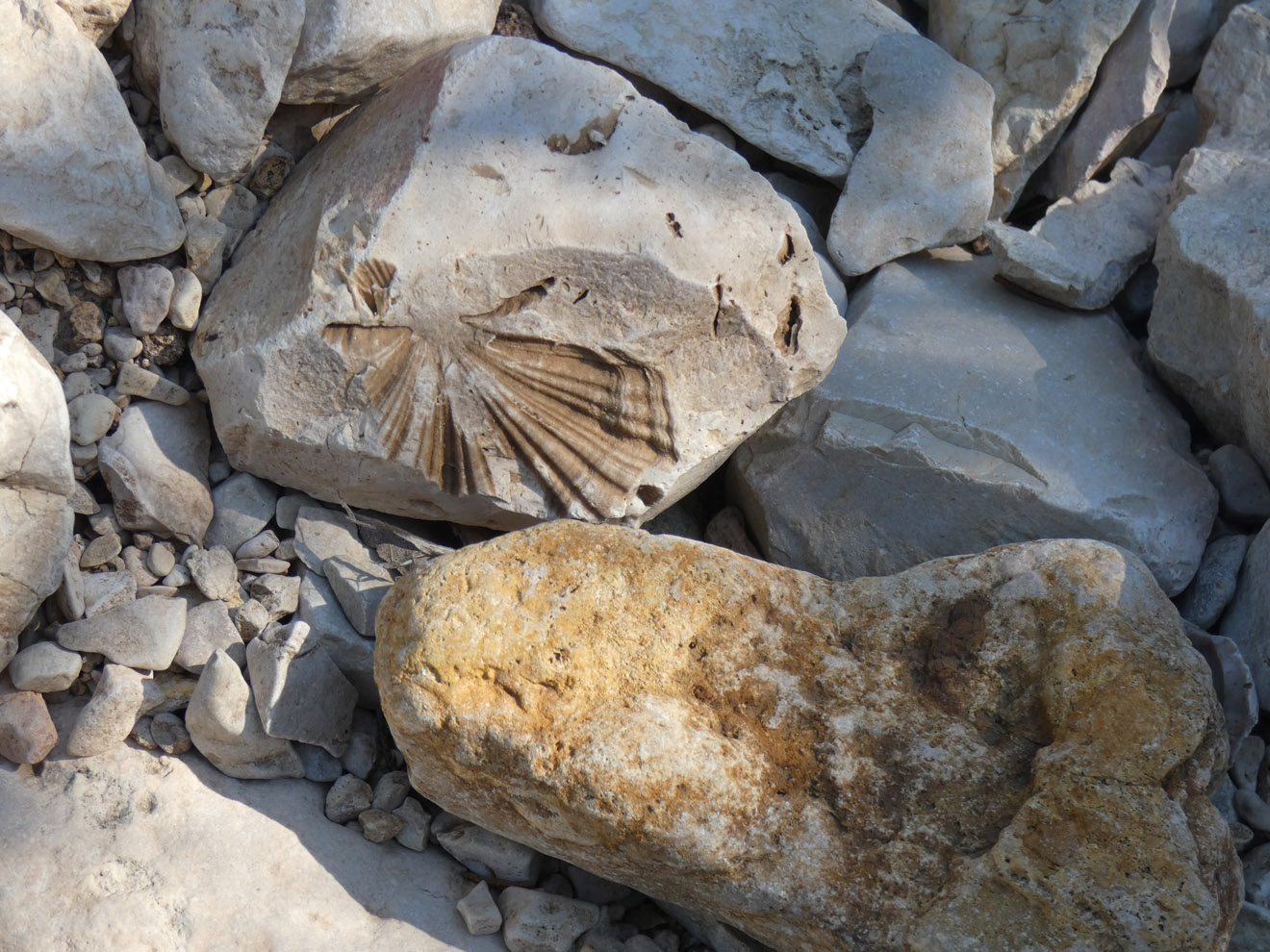
A good fossil from when all this was part of the ocean.
The air feels thin and dry, lightly scented by the Ashe Juniper trees that pack the hillsides, along with Texas Sotol, prickly pear, and thorny shrubs.
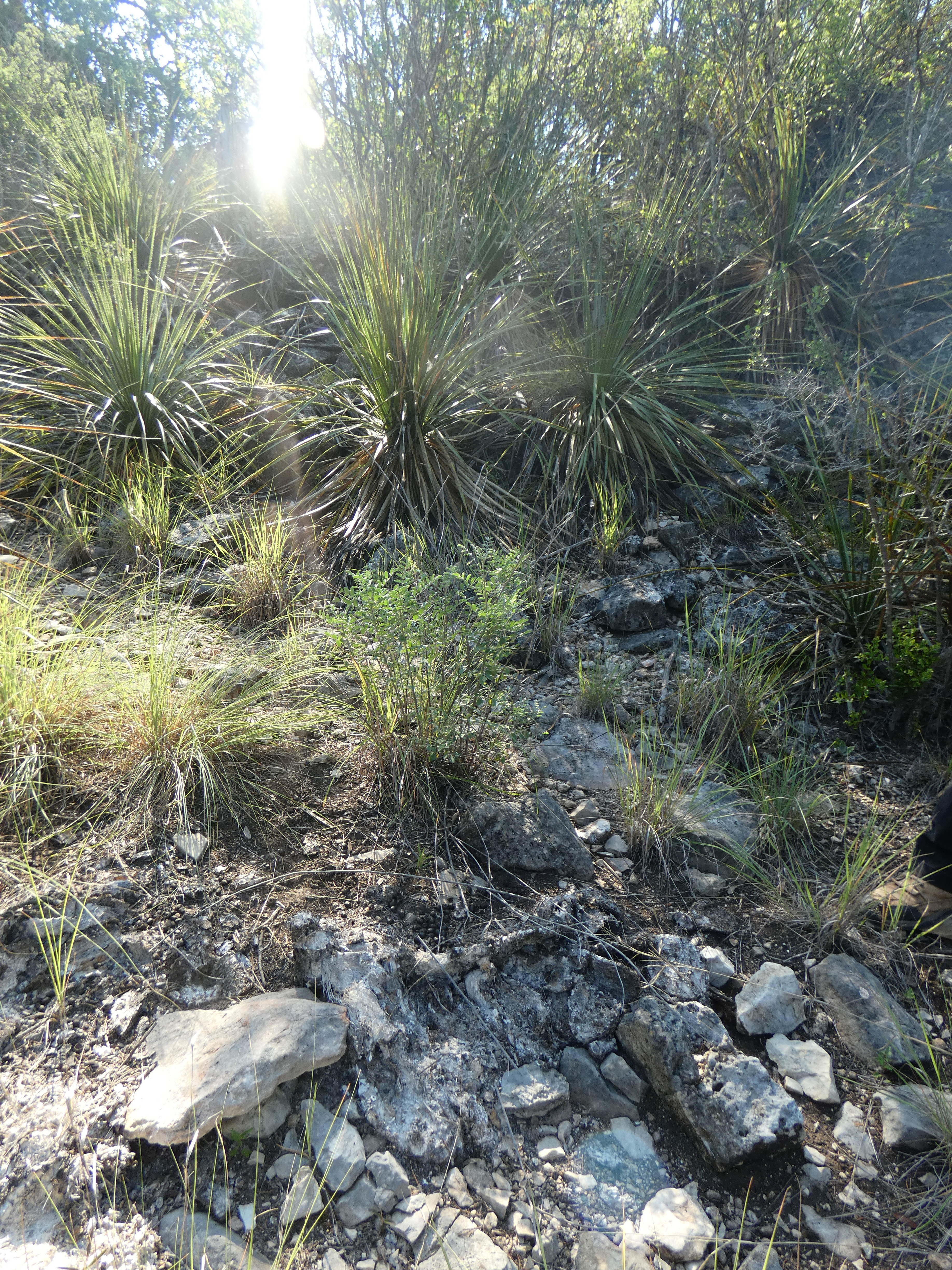
Hillside plants.
My favorites are the Little Walnut trees that grow right in the creek bottom. You can see the damage from past floods, but somehow they cling to life and are always fresh and green.
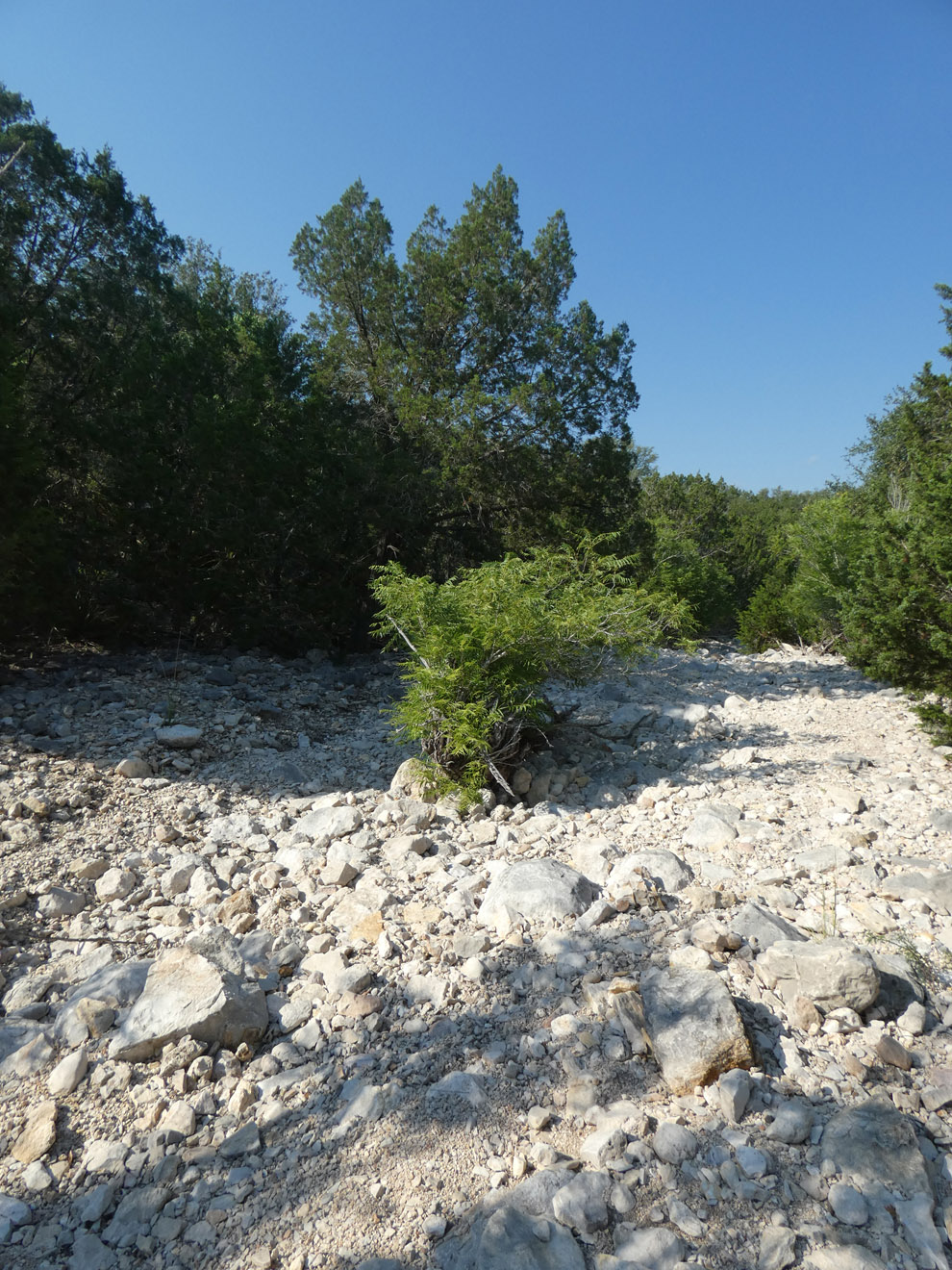
Little Walnut in the middle of the creek bed.
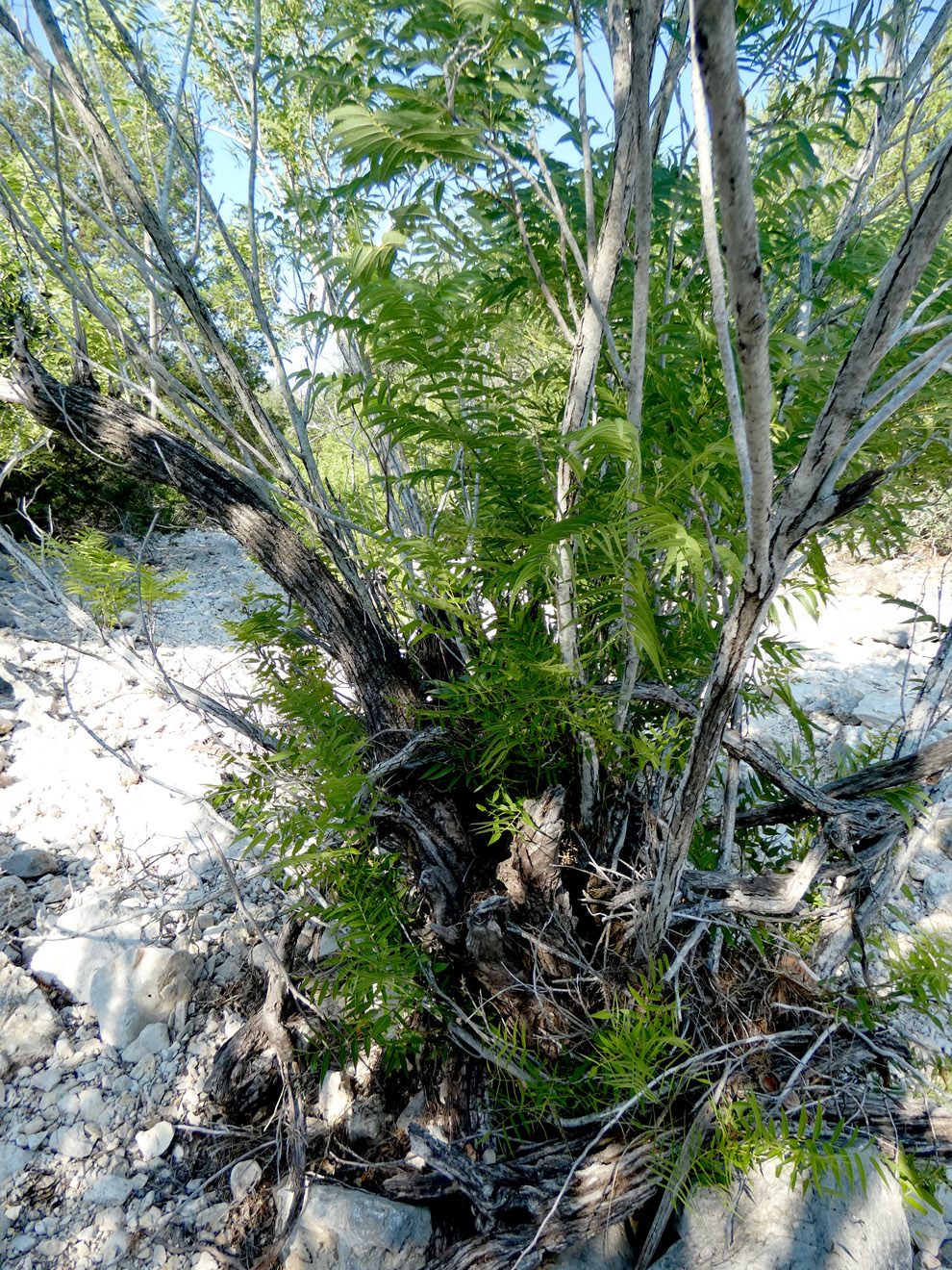
Broken stumps and fresh new branches.
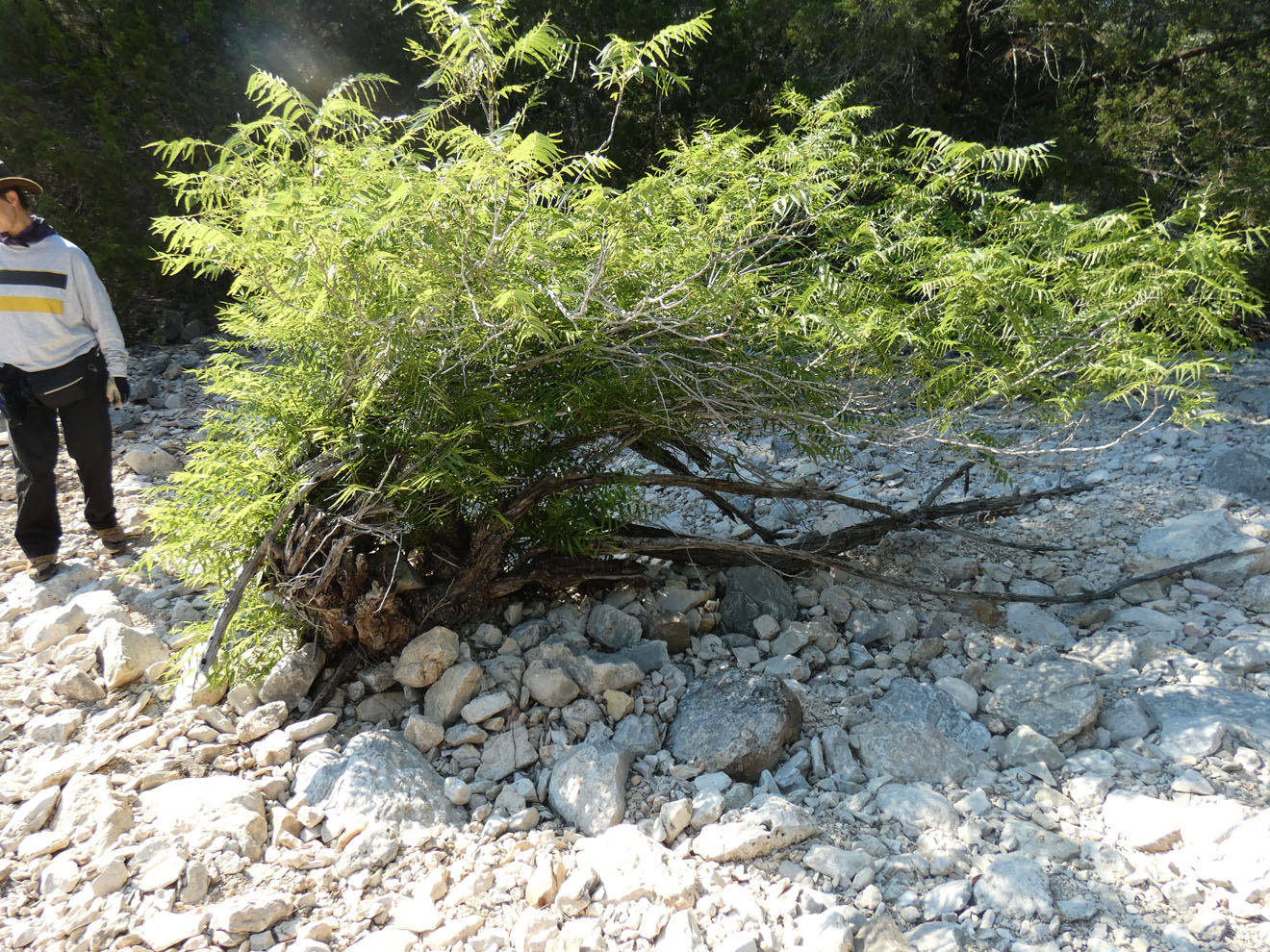
Here is a Little Walnut with a human for scale. You can see how flood waters have turned everything downstream.
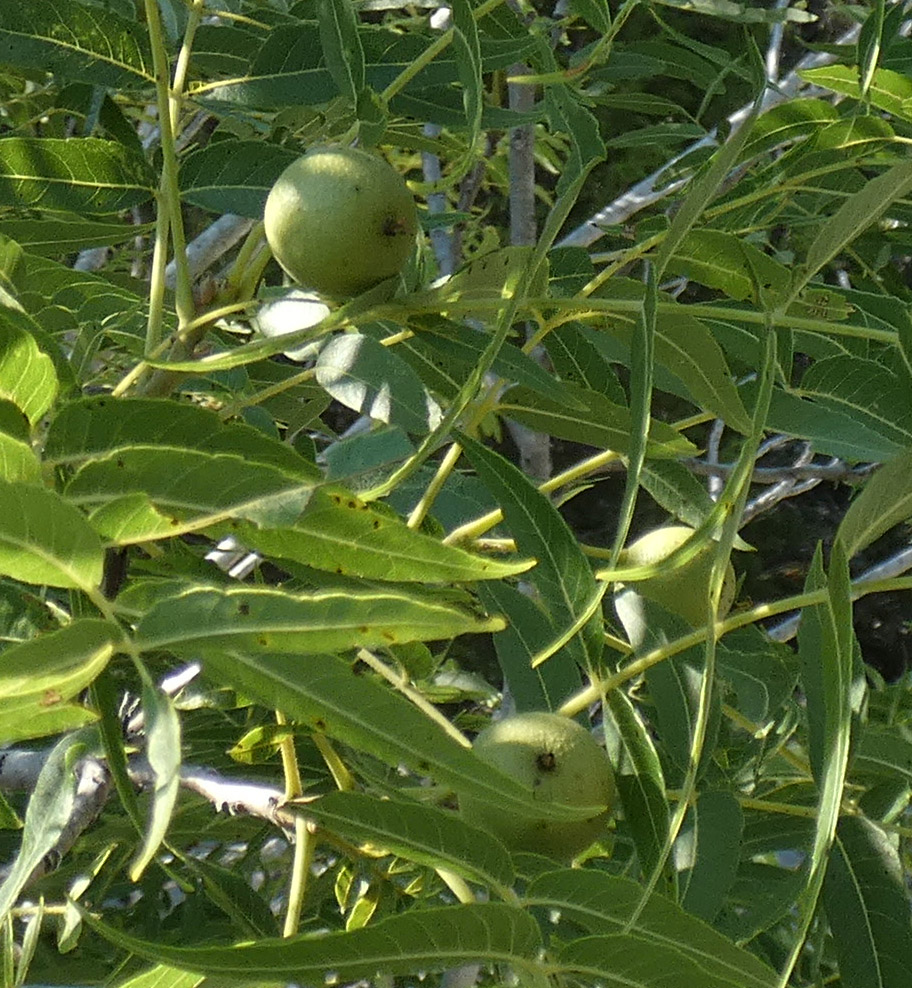
Green nuts at the end of June.
We might hear the “chuff” of an alarmed Whitetail and the strike of its hoof on some loose pebbles as it takes off on the hillside above us, or maybe we will hear the varied calls of the Yellow-breasted Chat.
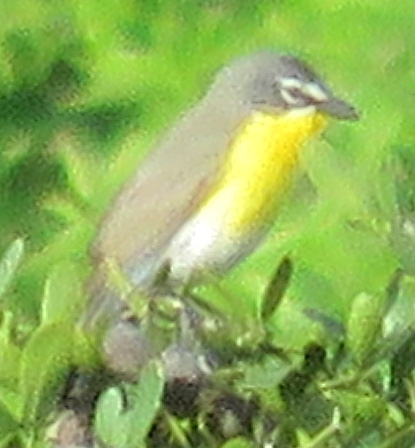
Yellow-breasted Chat.
Just when you are questioning if we are ever going to get there, we spot our destination, that big rock on the left. I have seen that rock in so many thousands of photos, that to me it is like the Hollywood Walk of Fame — that is where the stars of the wildlife world appear!
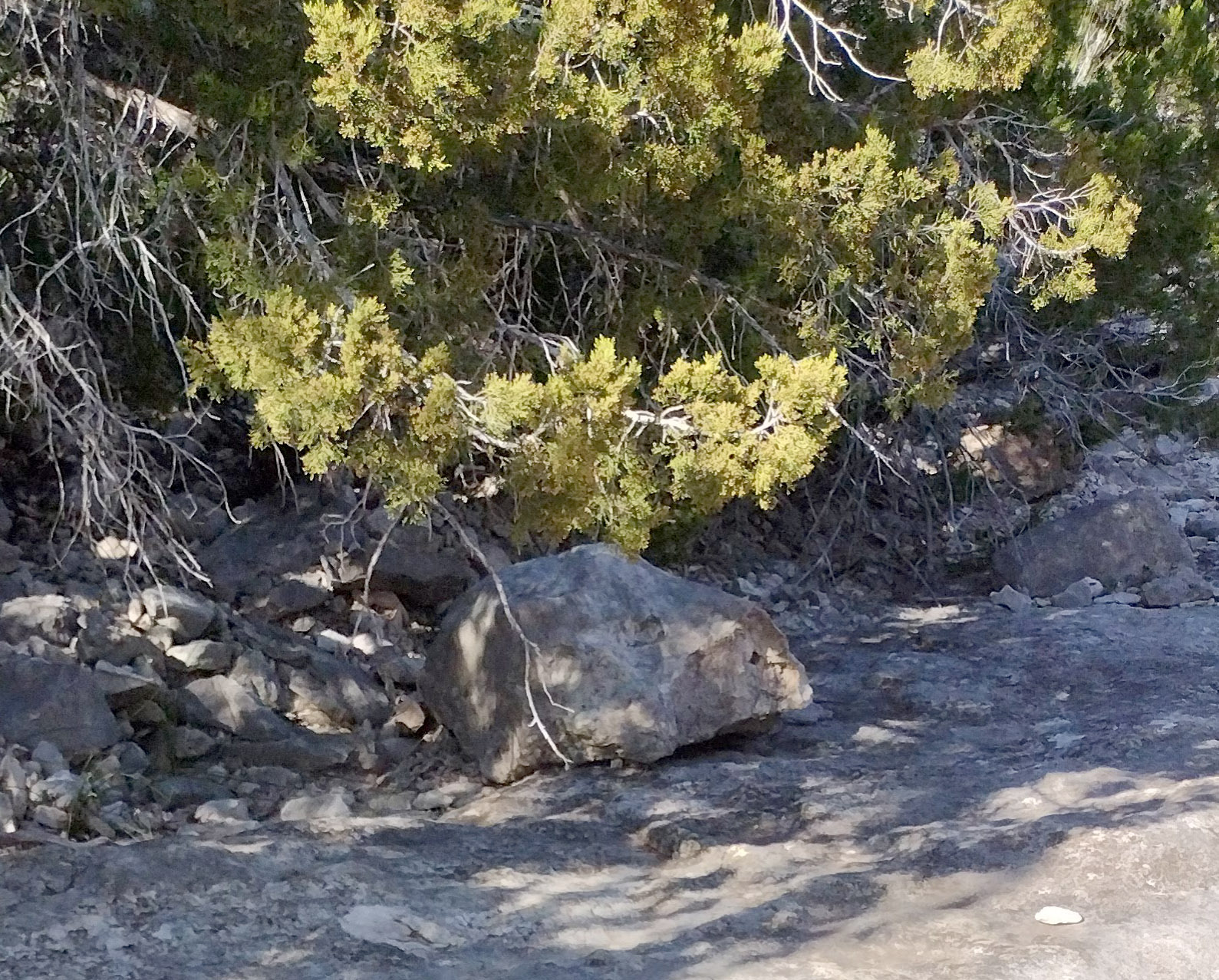
Boulder in the creek bed.
Right here the creek bed is slick rock, with a large dip that holds water. My daughter and son-in-law wisely chose to situate our trail cameras on the opposite side, to capture images of any animals using the water.
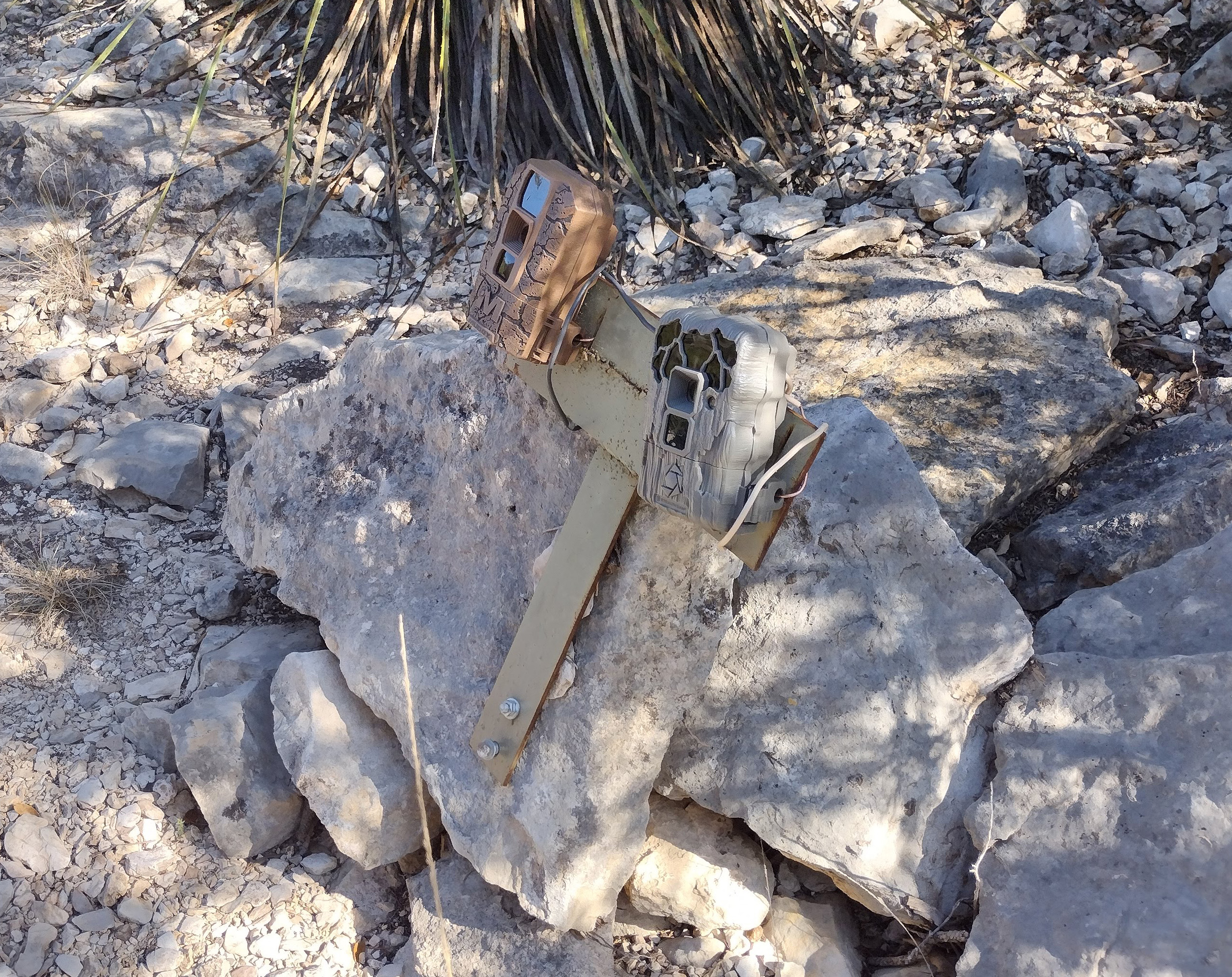
Two cameras, one for videos and one for still shots.
These cameras get quite a work-out, contending with heat, animal encounters, and floods. In fact we have lost a few in floods, and I am sad about the resulting gaps in our data.
Right now you sit and rest in the shade while I replace batteries and SD cards. Later we can look at the hundreds of images captured, and ooh and ah at all the species that are here all around us, but rarely seen.


And we’ll finish with this video. The flashes are from the still cameras going off, and of all the many individuals we have caught on camera, this coyote is one of the few that notices and tries to avoid the camera.
Next week I will stick to the more random gallery format, but today I wanted to give some background on where most of these shots come from.
I am enjoying this challenge, because it is showing me the gaps in my photo organization — when I migrated my photos to a new computer, I didn’t import them into the photo organizer, and although I have been on Flickr for 12 years, I am not very disciplined about uploading and tagging! So this challenge is giving me reason to improve those areas a little at a time.



A wonderful excursion thanks
Thanks, Brian! Probably not so wild by bush standards but it is the wildest place I venture to. 🙂